

Fuerteventura is one of the sunniest destinations in Europe, with over 300 days of sunshine per year and very little rain. The climate is dry, almost desert-like, and the island is known as the Island of Eternal Spring thanks to mild temperatures that range on average between 18 °C and 24 °C.
Still, there are seasonal differences worth knowing:
👉 From April to the end of August, the trade winds blow steadily from the north and northeast. This makes summer windier, but also ideal for windsports. A unique contrast defines Fuerteventura’s climate: the sun is intense and warm, while the air carried by the wind feels fresh and cool.
👉 From October to April, temperatures drop slightly (but rarely below 15 °C), and the wind becomes less consistent. This is the best time for experienced surfers, with powerful Atlantic swells bringing world-class waves to the island. Even in winter, you can enjoy the beach and sunshine during calmer days.
Even in winter, you can enjoy the beach and sunshine during calmer days.
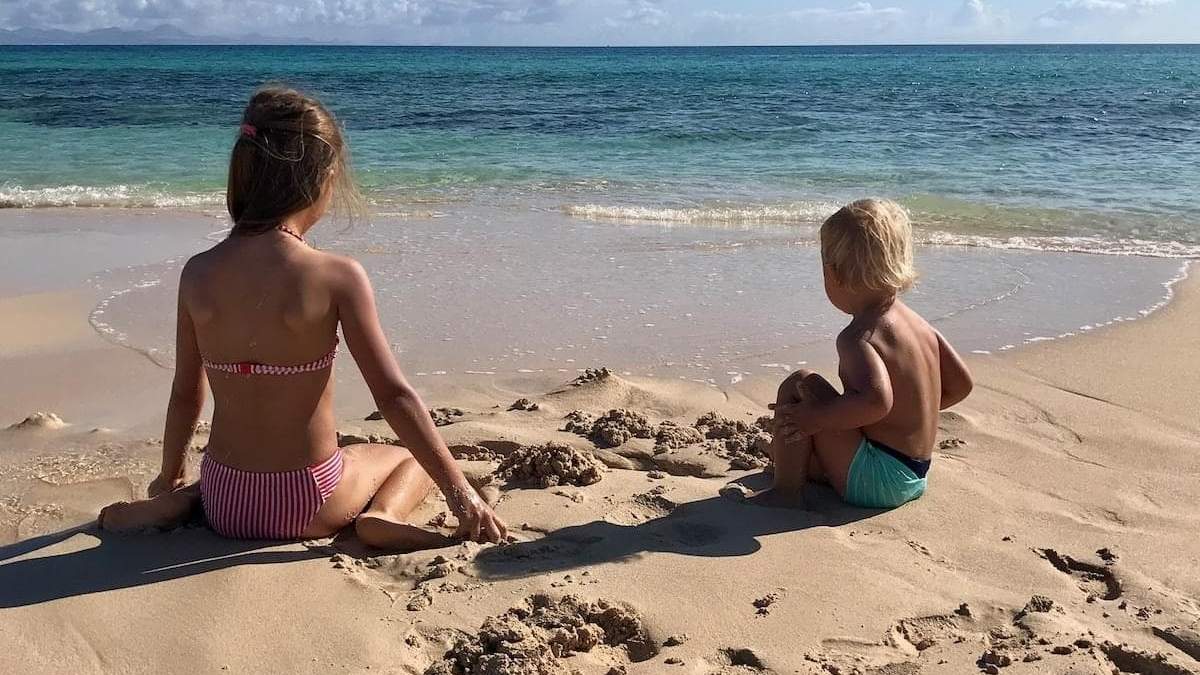
☀️ Relax & Sun: The Best Time for Wind-Free Beach Days
If your goal is to unwind under the sun, enjoy peaceful beaches and mild, calm weather, autumn is the ideal season to visit Fuerteventura.
Between late September and October, the trade winds ease off completely, giving way to calmer, brighter days. Temperatures remain pleasant, around 22–26 °C, and conditions are perfect for sunbathing, swimming or simply relaxing with a book by the sea — without the constant wind.
Winter (November to February) can also bring beautiful beach days: clear skies, strong sun, and mild temperatures. However, this season is more unpredictable — windy and cool days can alternate with perfectly tranquil weather, making it great for a sunny winter escape.
Spring, especially April, can also be a good option. It marks the beginning of the trade wind season, but early on the breeze tends to be light, allowing for plenty of relaxing beach time.
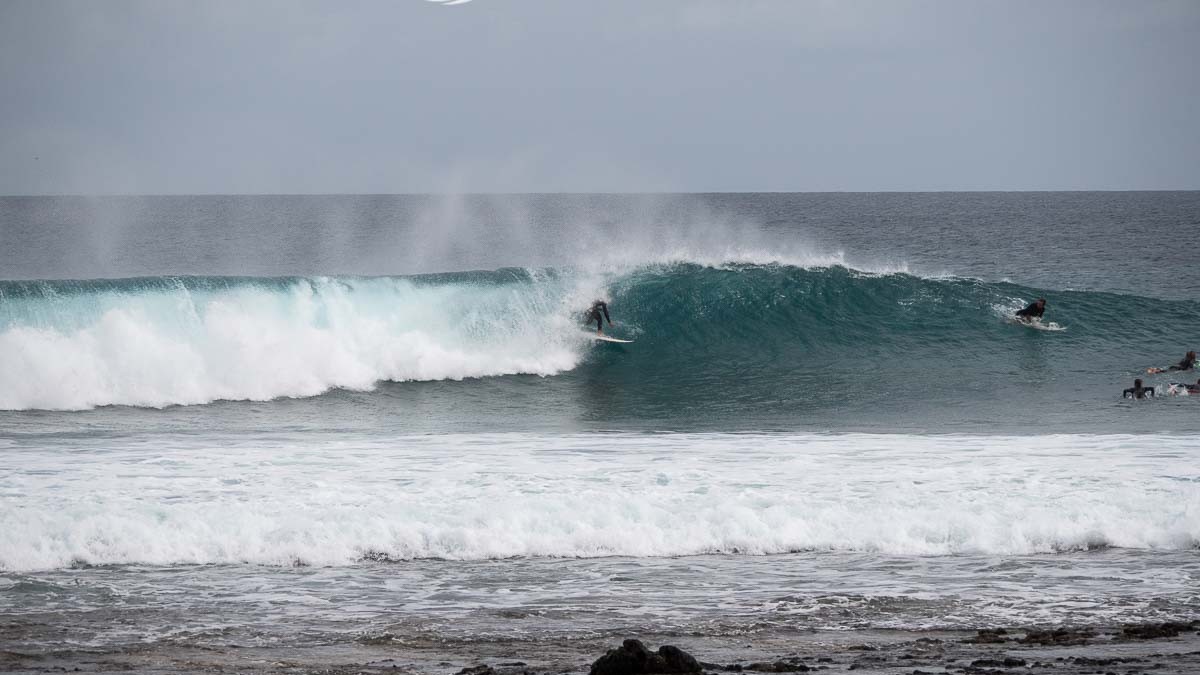
🏄 Surfing in Fuerteventura: Year-Round Waves for Every Level
Fuerteventura is a year-round surf destination, with a wide variety of surf spots scattered across the north, east and west coasts.
🌊 Winter (October – April): Powerful Waves and World-Class Reef Breaks
The heart of the surf season runs from October to April, when Atlantic swells hit the island and bring powerful, consistent waves. This is the top season for intermediate and advanced surfers, but thanks to the variety of spots, beginners can enjoy it too.
The north coast features some of the island’s most technical reef breaks, offering world-class conditions, often with little to no wind — ideal for high performance surfing.
☀️ Spring and Summer (April – September): Soft Waves and Steady Wind
From spring through late summer, Atlantic swells become less frequent, replaced by wind-generated waves powered by the steady northeast trade winds. The waves are smoother and more predictable — great for beginners learning in easier conditions.
During this time, surfing happens mainly on the east coast, and the west, where wind and seafloor combine for decent sessions. Experienced surfers can still find solid waves, especially in the early mornings when winds are calmer.
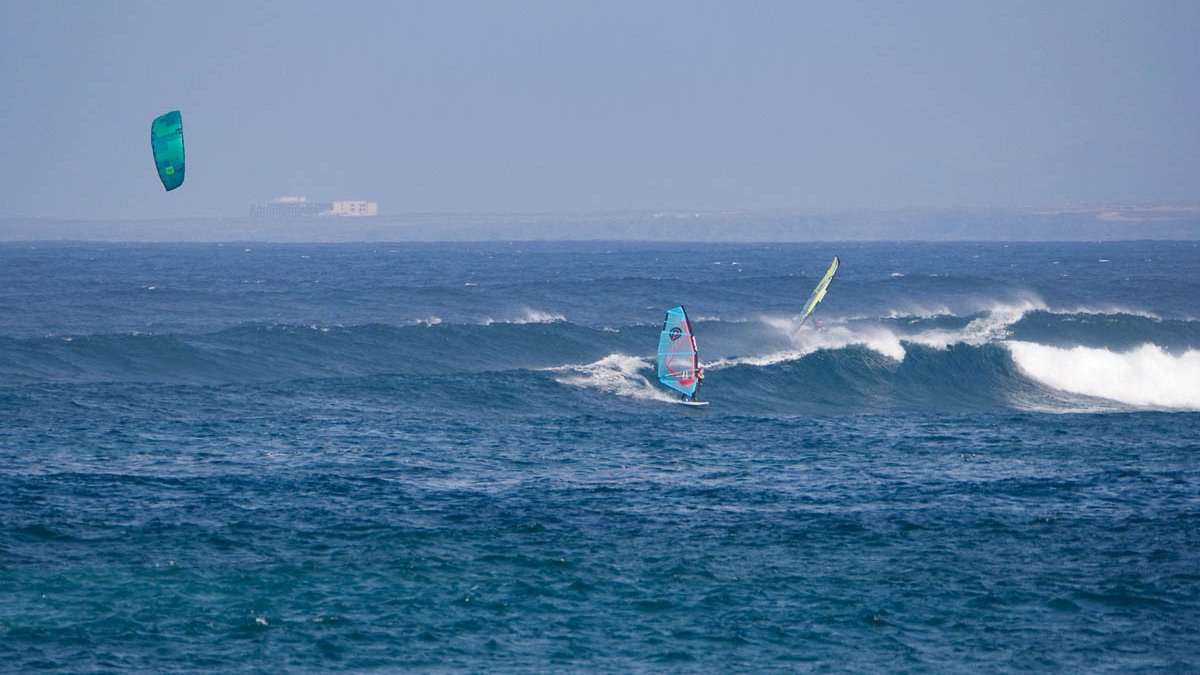
🌬 Windsports in Fuerteventura: A Paradise for Kitesurf, Windsurf & Wingfoil
Fuerteventura is a top destination for windsports — kitesurfing, windsurfing, and wingfoiling are possible all year round thanks to its dry climate and consistent marine conditions.
But if you’re looking for reliable wind, the best time to go is between April and late August. During this season, the northeast trade winds blow steadily almost every day, reaching speeds of 15 to 22 knots. It’s the perfect period for beginners too, with stable conditions and calmer seas.
In winter, the wind becomes more unpredictable. Some days are breezy, others are calm — but wave riders and advanced sailors will find amazing sessions, especially when paired with the big Atlantic swells. Some days can be epic, but they’re harder to plan ahead.
📛 September and October are the least windy months of the year — a short break between the trade wind season and winter swell activity. Less ideal for wind dependent sports.